
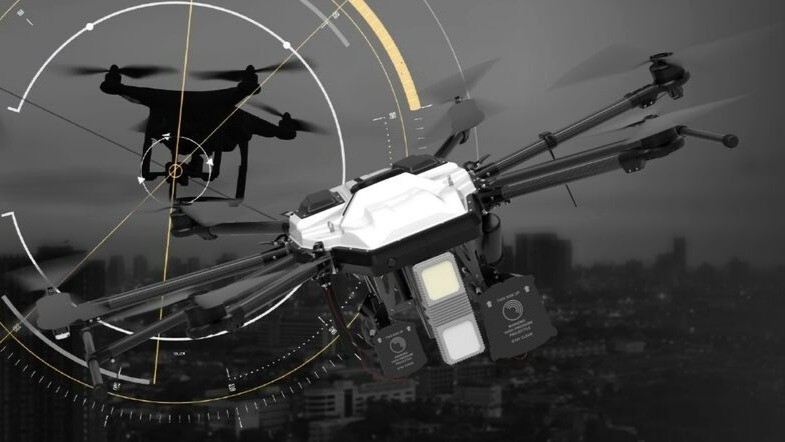
The technology to safely stop drones already exists. The U.S. government is buying it from us.
The troubling episode involving the skies over El Paso is what happens when you use the wrong tools for the job.
Last week, the FAA shut down airspace over El Paso for seven hours after a high-energy laser system designed for combat environments was fired at what were believed to be cartel drones near a commercial airport. The targets were later reported to be party balloons.
That detail isn’t a punchline – it’s a symptom. The operators couldn’t tell the difference between a threat and a party decoration because they were likely using the wrong detection tools. And when they decided to act, they reached for the wrong mitigation tool – a directed-energy weapon designed for battlefields, not civilian airspace.
There is a better way to defend against drone threats in environments like this. The technology to safely stop small drones already exists, and the federal government is buying it from us.
This month, the Department of Homeland Security placed a multimillion-dollar order for our systems as part of its layered defense to protect U.S. venues at the 2026 FIFA World Cup. DHS selected Fortem Technologies as the only kinetic counter-drone solution included in that procurement because defending civilians and critical infrastructure requires more than detection and electronic mitigation; it requires a safe, reliable method of physical interdiction. That’s where our technology stands apart from everything else on the market.
Wrong Tool, Right Tool
On a battlefield, you often need overwhelming power to neutralize a threat quickly. That’s what most counter-drone systems – lasers, high-energy microwaves, jammers, and missiles – were built for. They are powerful tools engineered for environments where collateral damage is not the primary constraint.
But civilian airspace is not a battlefield. It sits above bystanders, critical infrastructure, and countless opportunities for unintended consequences.
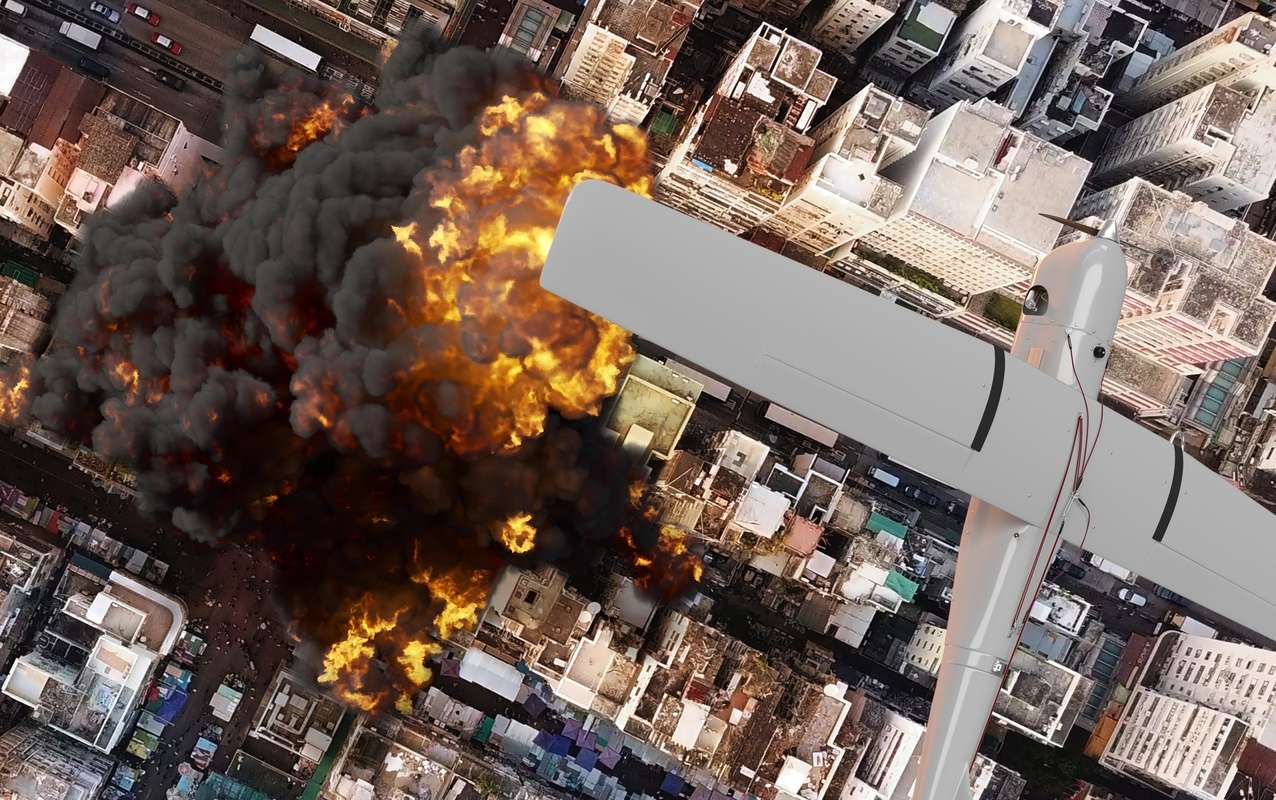
In those environments, brute force can create new risks. High-energy lasers can pose hazards to pilots during takeoff and landing. Jammers can interfere with aircraft systems and cause mobile phone networks to go dark – and they don’t stop autonomous drones that aren’t transmitting a signal. Missiles and projectiles solve one problem but create another: falling debris.
And before you can safely defeat a threat, you need to accurately identify it. Traditional radar systems struggle to distinguish small drones from birds, balloons, and other airborne clutter. That’s how party balloons get mistaken for cartel drones – and how real threats can slip through undetected.
What you need in civilian environments is precision. Accurate detection. Positive identification. And a way to secure, contain, and remove the threat intact.
What you need in civilian environments is precision.
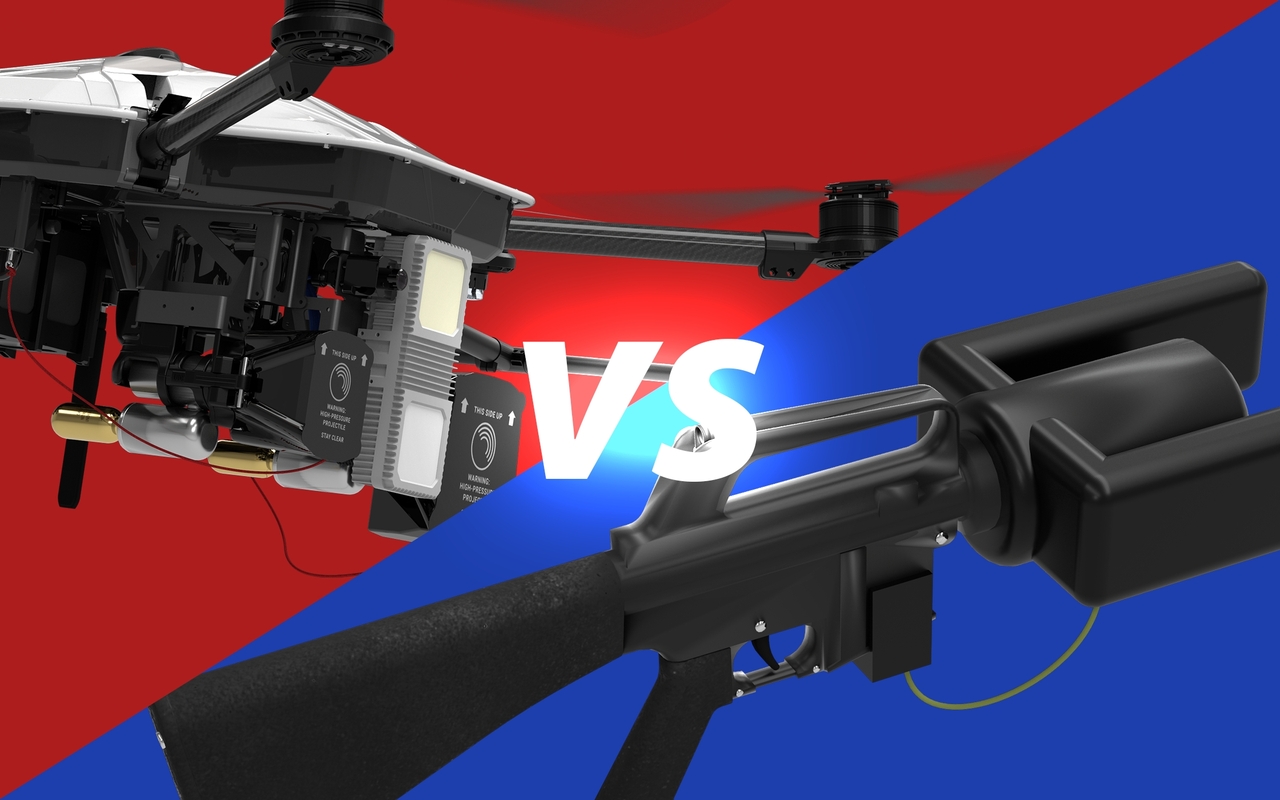
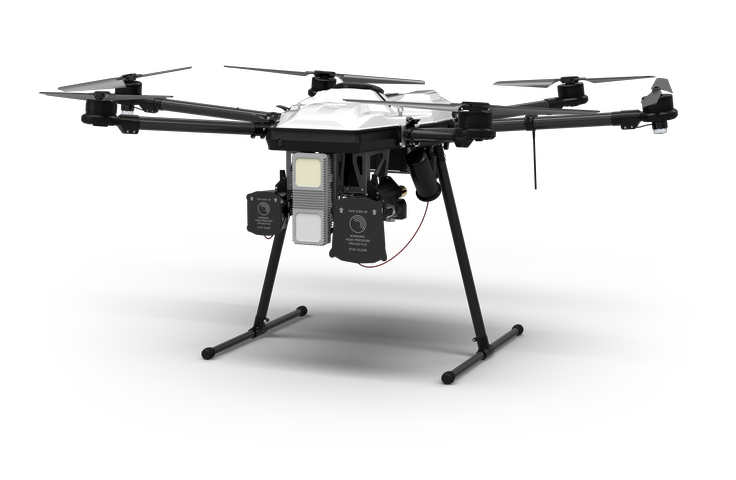
That’s what Fortem provides. Our TrueView® radar uses AI-powered classification to distinguish drones from clutter, so operators know exactly what they’re looking at before deciding how to respond. And our DroneHunter® interceptor captures hostile drones with a net, Spider-Man-style, carrying them safely away rather than destroying them in place. Because it doesn’t rely on directed energy or RF disruption, it works against autonomous “dark” drones as well as signal-controlled aircraft. And because it captures rather than shatters, it avoids creating danger for people below.
Net Capture in Action
Fortem’s solution has been deployed in operational environments around the world for years. Fortem was the only physical drone mitigation system deployed at the 2022 FIFA World Cup in Qatar, and it’s an honor to be invited back four years later – this time to defend our home turf. Our systems are currently operating in Ukraine, the Middle East, East Asia, and at the U.S. southern border. Last month, the Pentagon’s counter-UAS task force made its first operational purchase of DroneHunter under the Replicator-2 initiative, which is designed to accelerate the rapid deployment of scalable counter-drone capabilities for U.S. forces and critical infrastructure.
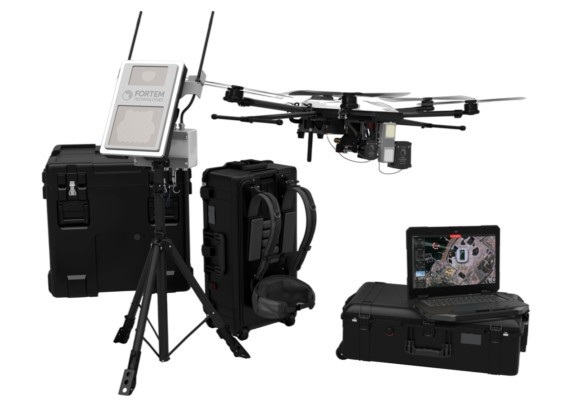
Four years of war in Ukraine have demonstrated how dramatically small drones can alter the security landscape. They are no longer hobbyist devices; they are tools of surveillance, disruption, and coordinated attack. The same off-the-shelf technology that has reshaped modern battlefields also creates risks for airports, stadiums, power plants, and high-profile public gatherings at home.
This summer, 11 U.S. cities will host World Cup matches, with more than a million fans expected to attend and billions more watching worldwide. Protecting that airspace requires technologies designed for civilian environments, not battlefield systems repurposed and hoped for the best.
What happened in the skies over El Paso last week was a reminder that when it comes to defending domestic airspace, the right tool matters. We do not have to choose between doing nothing and deploying battlefield-only systems over American cities. Safe, proven alternatives exist. We’re already providing them to the government. And they work.


Related posts